The Long Con: A Game Master's Guide to Planting Narrative Bombs Your Players Won't Find Until It's Too Late
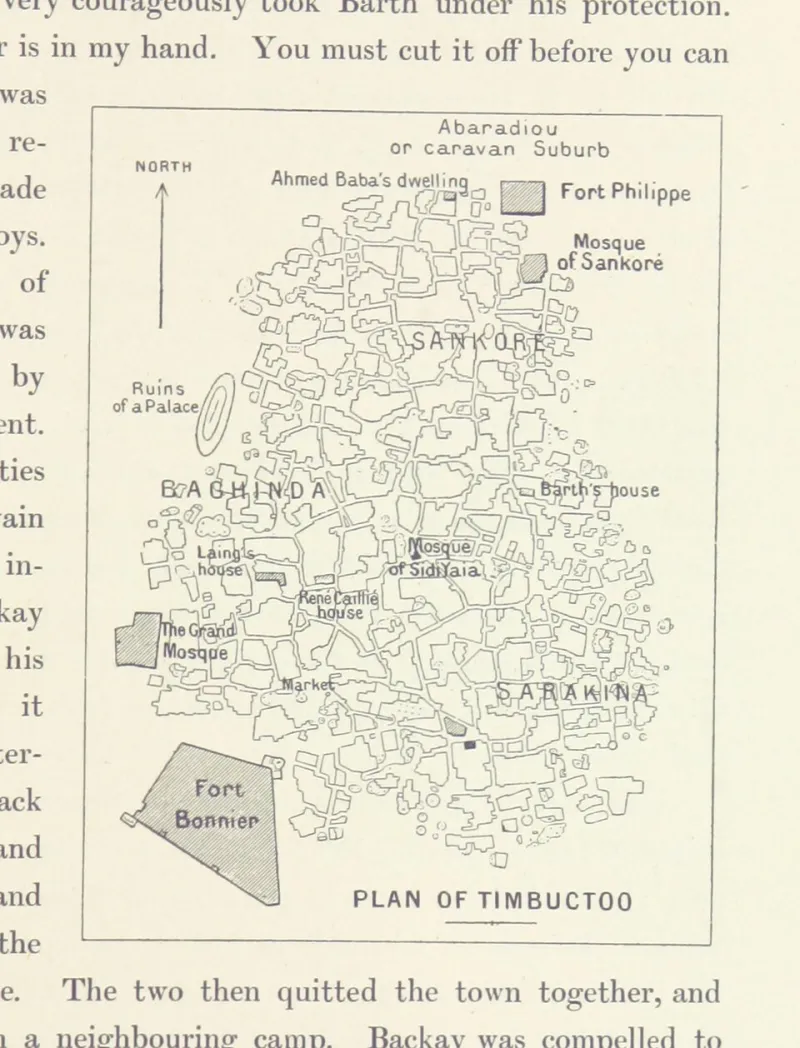
Photo: The British Library, No restrictions, via Wikimedia Commons
There's a specific kind of silence that falls over a gaming table when a reveal lands perfectly. Not the confused quiet of "wait, what?" — but the breathless, wide-eyed hush of players mentally rewinding six sessions and realizing the answer was sitting right there the whole time. That silence is the holy grail of long-form storytelling, and if you've ever pulled it off, you already know there's nothing quite like it.
The thing is, that moment doesn't happen by accident. It's the product of careful, patient, almost sneaky narrative architecture — the kind of work that happens before your players ever roll their first die. This is a guide to doing exactly that: building the long con.
Why Most Twists Fall Flat (And Yours Don't Have To)
Here's the uncomfortable truth about campaign twists: most of them don't work because they're surprises, not revelations. There's a massive difference. A surprise is something the audience couldn't have predicted. A revelation is something they should have predicted, if only they'd been paying closer attention.
Think about the stories that stick with you — the ones people still talk about at conventions, in Discord servers, in forum threads right here at The Galaxy Cauldron. The mentor who was the villain all along. The map that turned out to be a warning, not a guide. The "random" NPC who showed up in three different cities under three different names. Those moments work because they recontextualize everything that came before. They make the player feel clever for eventually figuring it out, even while they're kicking themselves for not catching it sooner.
A twist that comes from nowhere just makes players feel cheated. A revelation that was hiding in the open makes them feel like they were part of something.
The Architecture of a Good Long Game
Before you plant a single seed, you need to know what you're growing. That sounds obvious, but plenty of GMs start dropping mysterious clues without a clear destination — and then paint themselves into a corner three months later when the players start pulling threads.
Start with the endpoint. What is the thing your players will eventually discover? Work backward from there. Ask yourself: if a sharp player were looking for this, what would they need to find? Then scatter those breadcrumbs across your campaign like someone who doesn't want them to be found. Because here's the key — the clues shouldn't look like clues. They should look like flavor text, background detail, throwaway NPC dialogue, and mundane worldbuilding.
The blacksmith who always seems a little too well-informed about local politics. The recurring symbol carved into doorframes in every city your party visits. The tavern keeper who asks just one question too many. None of these scream "important plot point." But when the reveal comes, each one clicks into place like a puzzle piece your players forgot they were holding.
Misdirection Is Your Best Friend
Good long-game storytelling borrows heavily from stage magic. The magician's secret isn't hiding the trick — it's directing your attention somewhere else entirely while the trick happens in front of you.
In campaign terms, this means giving your players something compelling to focus on while the real story develops underneath. A loud, obvious red herring is worth its weight in gold. Introduce a suspicious character who acts like a villain but isn't. Drop a cryptic prophecy that seems to point one way but resolves another. Let your players feel smart for catching what they think is the twist — because when the real one lands, the double-layer reveal is twice as devastating.
The psychology here is straightforward: people stop looking for the answer once they think they've found it. Your job is to make sure they find the wrong answer first, and feel good about it.
Keeping Track of Your Own Conspiracy
This is where a lot of GMs stumble, and it's entirely understandable. You're managing combat encounters, NPC personalities, dungeon maps, player backstories, and about forty other things simultaneously. The long-game threads are easy to lose track of — and nothing kills a reveal faster than accidentally contradicting something you established eight sessions ago.
Build a conspiracy document. It doesn't have to be fancy — a Google Doc, a Notion page, a physical notebook you keep at the table. The format matters less than the habit. For every long-game thread you're running, write down:
- The truth: What actually happened, who's actually involved, what's actually going on.
- The planted clues: Where you've hidden breadcrumbs, what session they appeared in, and how they were framed.
- The misdirections: What false trails you've laid and where they lead.
- The reveal conditions: What needs to happen for this thread to pay off?
Review this document before every session. Not because you'll forget — though you might — but because reviewing it keeps the threads alive in your mind. It helps you stay consistent, and it lets you improvise within the conspiracy rather than accidentally outside it.
Timing the Reveal
You've planted the seeds. You've tended the misdirections. Now comes the hardest part: knowing when to pull the trigger.
Timing a reveal is more art than science, but there are a few principles worth keeping in mind. First, revelations land harder when the stakes are already high. Dropping your big twist in the middle of a tense combat, a heated negotiation, or an emotional character moment amplifies everything. The players are already engaged; you're just redirecting that energy.
Second, give the players a beat to process. After a big reveal, resist the urge to immediately move the story forward. Let the table sit with it. Let someone say "wait, so that means..." out loud. Those moments of collective realization are part of the payoff — don't rush past them.
Third, and maybe most importantly: don't hold out too long. A twist that never comes isn't clever — it's just unresolved. If you've been nurturing a narrative thread for months and the natural moment to pay it off arrives, take it. Hoarding your best material for some hypothetical perfect moment is how campaigns end with half their best stories still in the GM's notebook.
The Reward on the Other Side
When it all comes together — when a player slams their hand on the table and yells "I knew something was off about that library!" — that's the moment you've been building toward. That's the Galaxy Cauldron doing what it does best: forging something out of collaborative imagination that neither you nor your players could have created alone.
The long con isn't about outsmarting your players. It's about building a story worthy of the effort it takes to unravel. Plant carefully. Misdirect generously. Track obsessively. And when the time comes, trust the work you've done.
The harvest is worth every seed.