Nobody Gasped: Rescuing Your Campaign's Big Moment When the Grand Reveal Lands With a Thud
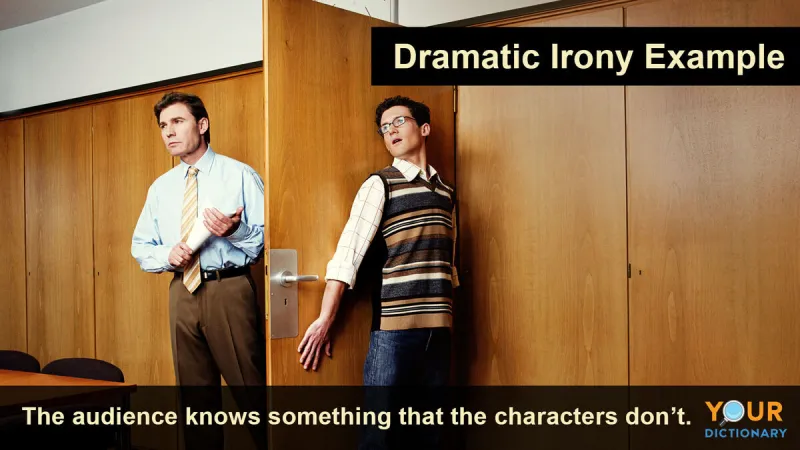
Photo: dramatic fantasy revelation scene storytelling tabletop RPG, via assets.ltkcontent.com
You had it all mapped out. The ancient journal hidden in the duke's library. The NPC who kept showing up just a little too conveniently. The cryptic phrase the oracle muttered three sessions ago that you were sure your players had written down. And then came the night you finally pulled back the curtain — the trusted mentor IS the cult leader, the kingdom's heir has been dead for twenty years, the artifact they've been carrying is literally the villain's soul — and you looked up from your notes expecting wide eyes and dropped jaws.
Instead, Dave shrugged and asked if they could still loot the room.
Welcome to one of the quietest gut-punches in tabletop gaming. The fizzled reveal. It doesn't mean you're a bad GM. It doesn't mean your players aren't engaged. But it does mean something went sideways between your brain and the table, and figuring out what is the first step toward turning that awkward silence into something genuinely memorable.
Why Reveals Fall Flat in the First Place
Before you can fix anything, it helps to understand what actually went wrong. Most failed reveals trace back to one of three culprits.
The players already figured it out. This one stings the most because it's technically a compliment. Your players were paying attention, picked up the breadcrumbs, and quietly solved the mystery two sessions ago. They didn't say anything because they weren't sure, or because they didn't want to spoil your moment. When the reveal finally came, it confirmed what they already suspected — which produces a satisfied nod rather than a shocked gasp. That's not failure, that's a pacing problem you can absolutely work with.
The reveal didn't connect to anything they cared about. Lore-heavy twists are especially vulnerable here. If the shocking truth involves factions, bloodlines, or historical events that your players haven't emotionally invested in, the revelation has no weight. It's the narrative equivalent of telling someone a spoiler for a movie they've never heard of.
The buildup got buried. Between scheduling gaps, side quests, and the general chaos of a living campaign, players forget things. That seed you planted in session four is ancient history by session twelve. Without reinforcement, the payoff has no foundation to land on.
Reading the Table in Real Time
The moment you sense a reveal going sideways, your instinct might be to push harder — to re-explain the significance, to have an NPC spell it out, to essentially narrate your own twist at your players until they react correctly. Resist that impulse with everything you have.
Over-explaining a reveal is like explaining a joke. The more you do it, the more certain everyone becomes that it didn't work.
Instead, pause. Let the silence breathe for a beat. Watch your players' body language. Are they quiet because they're processing, or quiet because they're already thinking about something else? There's a difference between contemplative silence and checked-out silence, and learning to read it is one of the most underrated GM skills at the table.
If the moment feels genuinely dead, don't try to resurrect it right there. Move forward. Let the scene close naturally. The recovery happens in the next session, not in the wreckage of this one.
The Pivot: Giving the Reveal a Second Life
Here's something most GMs don't realize: a reveal that didn't land emotionally in the moment can absolutely land retroactively if you play the aftermath correctly.
Say your players discovered that the beloved city guard captain has been feeding information to the thieves' guild for years. Collective shrug at the table. Fine. Now lean into the consequences so hard that the reveal becomes impossible to ignore. The captain starts making moves. An ally gets arrested on fabricated charges. A safe house gets raided. Suddenly the players aren't processing the revelation abstractly — they're living inside it. The emotional punch you wanted arrives through action rather than exposition.
This approach works especially well for political or moral reveals where the immediate drama is subtle. Make the world react to what was just uncovered, and let your players' investment follow the fallout.
When Skepticism IS the Story
Some of the most interesting table moments come from leaning into player doubt rather than fighting it. If your players received the big reveal and responded with suspicion — "How do we even know this is true?" or "This feels like a setup" — that's not a failed reveal. That's an invitation.
Let them be right to be suspicious. Or let them be wrong in interesting ways. Build a second layer into the twist where their skepticism becomes a plot thread of its own. Maybe the reveal is a manipulation by a deeper villain. Maybe the evidence is real but the source is compromised. Their distrust of your narrative becomes fuel for the next chapter of the campaign.
This is honestly one of the cleanest ways to recover from a fizzle, because it transforms player disengagement into player agency. They're not passive recipients of your story anymore — they're actively interrogating it, which is exactly where you want them.
Rebuilding the Moment You Lost
If the reveal genuinely flopped because your players weren't emotionally connected to the stakes, the fix is longer-term but absolutely doable. Spend the next few sessions deepening the relationships and consequences tied to whatever was revealed. If the twist involved a faction they didn't care about, give that faction a face — an NPC with a name, a personal connection to someone in the party, a reason to matter.
You're essentially building the emotional infrastructure for the reveal after the reveal already happened. It's unconventional, but campaigns are living things. Retroactive emotional weight is a real technique, and players rarely notice the seams if you execute it with confidence.
You can also revisit the revelation explicitly. Have a character in the world reference it, grapple with it, or force a decision that makes the truth unavoidable. Sometimes a reveal needs to be experienced rather than announced.
The Lesson Nobody Wants to Hear
The hardest truth about failed reveals is that they're usually a sign you built something impressive in isolation — in your notes, in your head — without enough connective tissue to the actual humans sitting across the table from you. The best twists in any campaign grow organically from player investment, not GM architecture.
That doesn't mean you stop planning. It means you plan with your players' specific attachments in mind. What do they care about? Whose death would wreck them? What betrayal would feel genuinely personal? Build your reveals around those pressure points, and the gasps take care of themselves.
And when they don't? Now you know how to recover. The cauldron doesn't stop bubbling just because one ingredient didn't quite hit the way you expected.