The Hero Who Broke Bad: Letting Player Characters Fall Into Villainy Naturally
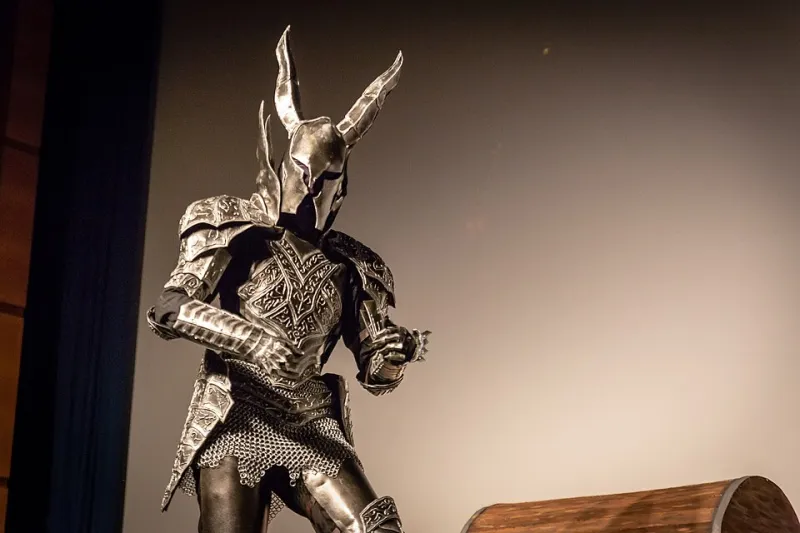
Photo: Stéphane Gallay from Laconnex, Switzerland, CC BY 2.0, via Wikimedia Commons
There's a particular kind of silence that falls over a gaming table when everyone realizes at the same moment: oh no, we've been rooting for the wrong person. Not because the DM pulled a gotcha. Not because some ancient curse conveniently flipped a switch. But because Marcus the Paladin, over eighteen sessions of hard choices, slowly became the thing the party was supposed to stop.
That silence? That's the good stuff. That's the reason we gather around these tables in the first place.
It Has to Come From the Player, Not the Plot
Let's get the most important thing out of the way immediately: a character's drift toward villainy only works if the player is driving it. The moment a DM starts engineering external forces to push a character down a dark path — mysterious compulsions, convenient corruption artifacts, NPCs who specifically target that one character's weaknesses — it starts feeling like a railroad. Players can smell that a mile off, and it kills the emotional investment faster than a nat 1 on a persuasion check.
The accidental villain is accidental precisely because nobody planned it. It emerges from the accumulation of in-character decisions that each, individually, made sense at the time. The rogue who started skimming from the party treasury because they didn't trust the group yet. The cleric who let an innocent die because saving them would've compromised the mission. The fighter who accepted a warlord's offer of soldiers because the cause genuinely justified it — at least, that's what they told themselves.
Each of those moments is a pebble. The avalanche comes later.
Recognizing the Pivot Before It's Too Late to Honor It
DMs have a responsibility here that's more curatorial than directive. Your job isn't to steer the character toward darkness — it's to notice when the character is already steering themselves there, and then make sure the world responds honestly.
Watch for a few telltale patterns at your table:
Rationalization creep. When a player starts spending more time explaining why their character did something than actually roleplaying the act, pay attention. That meta-justification is often the player processing moral discomfort in real time. It's a signal, not a problem to fix.
NPC relationship erosion. If allied NPCs are quietly distancing themselves from one character — not because of a scripted event, but because the player keeps making choices that would logically cause distrust — you've got the seeds of something real. Let those relationships deteriorate naturally. Don't soften the consequences.
The party covering for them. This one is gold. When the rest of the players start making in-character excuses for one character's behavior, you've got genuine dramatic investment. The party knows something is wrong. They're choosing not to address it. That tension is a story engine.
Real Campaign Moments That Became Lore
Across forums and actual play communities, a few archetypes show up again and again when players talk about their most memorable campaign moments.
There's the classic Lawful Good character who becomes so committed to order that they start committing atrocities in its name — the paladin who begins executing criminals without trial because the justice system failed too many times. The party supported the sentiment early on. By session thirty, they're trying to stop their own teammate from burning down a village of suspected cultists.
Or consider the party's face character — the charming diplomat who got so good at manipulation that they started using those skills on their own companions. Not out of malice at first. Just efficiency. Just getting the outcome they wanted faster. Until the day another player said, out loud, at the table: "I don't think I can trust anything my character's been told for the last six sessions."
These aren't cautionary tales. They're trophies. The players involved talk about those campaigns for years.
How to Keep the Whole Table Invested
Here's the real challenge: one player's compelling villain arc can feel like another player's campaign getting hijacked. Managing that balance is genuinely difficult, and it's where a lot of DMs drop the ball.
A few practical approaches that tend to work:
Give every player a stake in the outcome. The other characters should have personal reasons to care about what's happening to their companion — reasons rooted in their own backstories. If the party's rogue has a history with betrayal, watching a trusted friend become untrustworthy hits differently than if it's just abstract drama.
Let the world reflect the arc, not just the table. NPCs should start responding to the shifting character. Rumors should spread. Factions should take notice. When the world treats the character differently, it validates that something real is happening — and it gives the other players narrative information to react to.
Have the conversation at session zero and again mid-campaign. Checking in with players about where their characters are emotionally and whether they're enjoying the direction isn't breaking immersion. It's basic table hygiene. A player who's genuinely excited to play a character's descent into antagonism is a collaborator. A player who's feeling trapped in a direction they don't want is a problem waiting to happen.
The Ending That Makes It Legendary
Here's the thing about accidental villains: they need endings that honor the journey. A character who drifted into darkness over twenty sessions deserves more than a final boss fight where the party just kills them. The best conclusions tend to involve a moment of genuine recognition — the character understanding, even briefly, what they became and why.
Maybe that's redemption. Maybe it's a tragic last stand. Maybe the character succeeds at their terrible goal and has to live in the world they made. Any of those can be extraordinary. What can't be extraordinary is an ending that ignores the weight of everything that came before it.
The accidental villain is one of tabletop RPG's most powerful narrative gifts. It's the kind of story that doesn't exist in video games or novels — it only happens when real people, playing pretend around a table, make choices that surprise even themselves.
Honor it. Let it breathe. And when that silence falls over your table? Lean into it.