Heroes Who Weren't: How Moral Gray Zones Turn Good Campaigns Into Great Ones
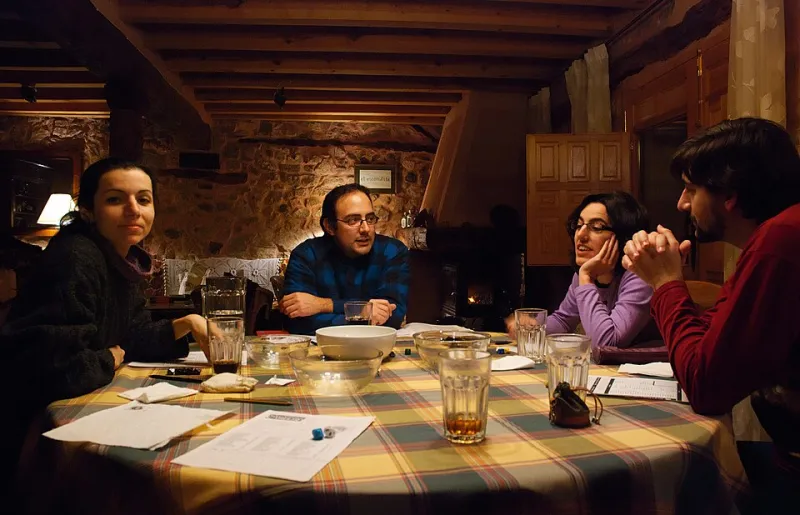
Photo: Di (they-them), CC BY-SA 4.0, via Wikimedia Commons
There's a moment that happens in enough campaigns that it's basically a rite of passage. The party has been grinding through a quest for weeks — real-world weeks, mind you, snacks and all — and then someone at the table goes quiet and says, "Wait. Are we the bad guys?"
Cue the dramatic silence. Maybe a dice roll nobody asked for. The DM trying very hard not to smile.
That moment? That's the good stuff. That's the kind of storytelling that sticks with people for years after the campaign wraps. And it almost never happens when the party is laser-focused on saving the kingdom from an obviously evil overlord.
The Problem With Pure Good vs. Evil
Classic heroic quests have their place. There's a reason the "chosen hero defeats the dark lord" structure has powered everything from Tolkien to Baldur's Gate to half the modules on the DMs Guild marketplace. It's satisfying. It's clean. It gives players a clear sense of purpose.
But clean isn't always interesting.
When every decision has an obvious right answer, players stop wrestling with consequences. The goblin tribe is evil, so you clear the dungeon. The necromancer is raising the dead, so you shut him down. The story moves forward without anyone at the table having to sit with any real discomfort.
Moral ambiguity, on the other hand, creates friction — and friction is where character development actually happens.
The Antiheroes We Accidentally Became
One of the most common ways this plays out is what you might call the Accidental Villain Arc. Nobody sat down at session one and said, "I want to play a morally compromised character who makes increasingly questionable decisions." It just... evolved.
Maybe the party agreed to work for a powerful merchant guild early in the campaign because they needed coin. Reasonable enough. But three story arcs later, they've been helping that guild quietly consolidate power, and the small farming villages on the trade route are paying the price in exploitative tariffs. The party never signed up to be enforcers for a corrupt monopoly — but here they are.
Or consider the alliance problem. The party needs the vampire lord's information to stop a greater threat. So they make a deal. They hold up their end. The vampire lord holds up his. And now there's a mutual understanding between the group and an entity who has been feeding on a nearby village for decades. They didn't free those people. They just... moved on to the next objective.
These aren't failures of storytelling. They're features.
Why the Uncomfortable Stuff Hits Different
When players make a choice that has genuine moral weight — when there's no clean answer and someone's going to suffer regardless of what they decide — the investment in the story skyrockets. Suddenly everyone at the table is leaning forward instead of scrolling their phone.
The reason is simple: it mirrors real life in a way that straightforward heroism doesn't. Real decisions are messy. Real people rationalize. Real groups convince themselves that the ends justify the means, at least this one time. When a campaign captures that texture, it stops feeling like a game and starts feeling like a story worth telling.
There's also the character revelation angle. You don't really know who a character is until they're tested in a way that doesn't have a good answer. A paladin who never faces a genuine moral crisis is just a stat block with a backstory. A paladin who has to choose between their oath and saving someone they love — and makes the wrong call — is a character.
Building Moral Complexity Into Your World
For DMs who want to cultivate this kind of storytelling, the key is designing situations where every faction has a legitimate grievance and every solution creates a new problem.
Avoid painting factions in pure black and white. The rebel group fighting the empire might be genuinely righteous in their cause and genuinely brutal in their methods. The city guard captain enforcing unjust laws might be doing it to protect her family from retaliation. When NPCs have understandable motivations even when their actions are wrong, players start extending that same complexity to their own characters.
Also: let consequences breathe. If the party makes a morally questionable call in session four, don't let it evaporate. Bring it back. The village they didn't save becomes a rumor. The alliance with the vampire lord gets tested when he asks for a favor. The world should remember what the party did, even when the party would rather forget.
The Meta-Gift of Moral Gray
Here's the thing that doesn't get said enough: players want this. Even players who came to the table expecting a classic adventure often find that the sessions they talk about most are the ones where they had to make an impossible choice.
The "save the kingdom" arc is fine. But the arc where the party saved the kingdom, and only later learned that the kingdom's survival required someone else's destruction? That's the campaign that gets a dedicated Discord channel and a three-hour post-mortem conversation at a diner at midnight.
Moral ambiguity isn't about making players feel bad. It's about making them feel something — and then giving them the narrative space to sit with it, argue about it, and ultimately let it shape who their characters become.
Some of the best stories ever told across any medium are about people trying to do the right thing and falling short in interesting ways. Your campaign table is no different. The galaxy is full of cauldrons, and the most interesting brews are never just one ingredient.
So the next time your party is weighing a questionable alliance or staring down a decision with no good options, don't rush past it. Let it simmer. That discomfort? That's the flavor.